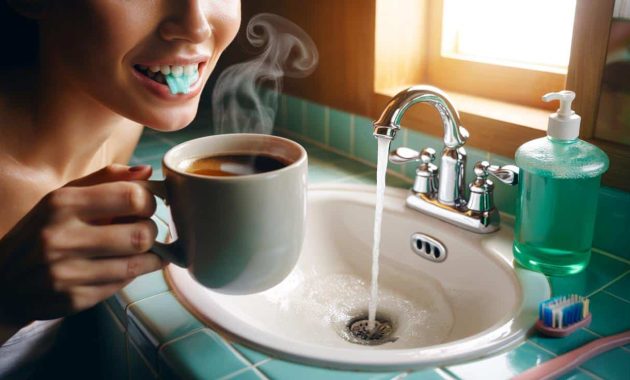
The mint hits, the foam swirls, you rinse, and yet your mouth feels… unfinished. Plaque creeps back by lunch. Stains linger. Your trusty tube suddenly feels like a placebo. If your toothpaste seems to have lost its magic, you’re not imagining it. The reason is hiding in the tiny habits between the sink and the kettle, not in the bristles or the brand.
It’s 7:42 a.m., the kitchen is doing that weekday clatter, and you’re brushing while scrolling the news. Two quick minutes, a rinse the size of a tidal wave, then a generous swig of mouthwash for good measure. Coffee is already brewing. You take a sip on the way out of the bathroom. By the time you put on your shoes, your toothpaste’s best work has gone down the drain—literally and figuratively.
The part nobody mentions: toothpaste isn’t a magic moment, it’s a chemical process with a clock. Fluoride needs time to latch onto softened enamel and form that protective shield dentists keep talking about. Spit it all out, flush it with water, chase it with acidic coffee, and the shield never sets. The mint lied to you.
Why your toothpaste feels weaker lately
Your toothpaste didn’t suddenly get lazy. The routine around it changed. Phones moved into bathrooms. Coffee moved into the minutes after brushing. Mouthwash became a reflex, not a plan. We’ve all had that moment when your mouth tastes minty and you assume “job done.” The taste convinces you protection happened. The chemistry says otherwise. The result is subtle at first: a fuzzy feel by mid-morning, a new patch of sensitivity on a cold day, tea stains that used to lift but now cling.
Take Amy, 34, who swears her whitening paste “stopped working” this year. She switched brands twice, then bought an expensive electric brush. No joy. Her dentist asked one question: “Do you rinse?” Amy laughed. Of course she rinses—three full mouthfuls of water and a minty mouthwash hit before breakfast. She started spitting and leaving the toothpaste film instead. Two weeks later, the fuzz faded and the sheen came back. No new gadgets. Just a different ending to the same story.
Here’s the quiet science. Fluoride needs a thin wet film on your teeth to build reservoirs in the enamel. Rinsing with water strips that film, dropping the fluoride concentration to almost nothing. Swigging mouthwash straight after brushing dilutes it further, and some formulas even neutralise the paste’s actives. Add a hot, acidic drink like coffee or fruit juice within minutes, and the enamel surface softens, making it more vulnerable while the fluoride you needed has been washed away. Your toothpaste never had a chance.
Small changes that give your toothpaste its power back
Here’s the move: spit the foam, don’t rinse. Leave a whisper of paste on your teeth, like the afterglow of mint. Wait 30 minutes before coffee or breakfast if you can. Night-time is your secret weapon—brush last thing before sleep and let the fluoride sit undisturbed while saliva slows and your teeth remineralise. If you want mouthwash, use it at a different time of day, not as a chaser to brushing. That simple gap turns ordinary toothpaste into a long-game protector.
Let’s be honest: nobody really does that every day. Life is loud. Kids need cereal, trains don’t wait, and the kettle whistles on its own schedule. Start with one anchor: the night brush. Two minutes, pea-sized blob, gentle pressure, spit—no water. In the morning, push your coffee ten minutes later, then fifteen. If you slip, don’t bin the whole project. Teeth change slowly. So do habits. The goal isn’t perfection; it’s more fluoride time-on-teeth across the week.
There’s another twist people miss: your water and your paste have a relationship. In areas with very hard water, the “clean” feel fades faster and foam collapses sooner, nudging you to over-rinse. Switch to a less frothy paste and it can feel like nothing happened, so you wash it all away. Try a lower-foaming formula with stannous or sodium fluoride and keep the film on. Your dentist won’t mind one bit if you look a little glossy at bedtime.
“Fluoride is a marathon, not a sprint. If you rinse it away, you’ve run to the start line and gone home,” says Dr Priya Nambiar, a London dentist who sees this every week.
➡️ This database reveals what English soldiers were really doing in the Middle Ages
➡️ I stopped cleaning everything at once and stayed consistent
➡️ Kate Middleton revives an abandoned royal habit and commentators can’t agree on what it really means
➡️ Delirium, memory loss, seizures: a little-known brain disorder is spreading
- Spit, don’t rinse after brushing—leave a thin mint film.
- Wait for the 30-minute window before coffee, juice, or breakfast.
- Use mouthwash at lunchtime, not right after brushing.
- Favour night-time brushing as your fluoride anchor.
- If your water is very hard, consider a softer-water rinse or no rinse at all.
The bigger picture your mouth has been trying to tell you
Teeth tell time. If your toothpaste feels weaker, it’s often your day that changed, not the tube. New meds drying your mouth, more snacking, earlier coffee, a switch to “natural” paste without fluoride—little pivots that add up. The fix isn’t a shopping spree. It’s reclaiming the minutes after brushing and letting chemistry do its quiet work. Share the trick with the person you text most. Try it for two weeks and watch the morning fuzz shrink. If it doesn’t, get curious about the rest of your routine—pressure, brush head age, sugar frequency, breath-through-your-mouth nights. Your mouth isn’t being difficult. It’s just asking for a longer hug from the paste you already own.
| Point clé | Détail | Intérêt pour le lecteur |
|---|---|---|
| Spit, don’t rinse | Leave a thin toothpaste film to keep fluoride working | Stronger enamel and fewer mid-morning “fuzzy teeth” moments |
| Separate mouthwash from brushing | Use it at another time of day to avoid diluting actives | Gets the benefit of both without cancelling either |
| Guard the 30-minute window | Delay coffee, juice, or snacks after brushing | Better stain control and less sensitivity over time |
FAQ :
- Is rinsing with just a sip of water really that bad?A small sip still drops fluoride levels dramatically. Spit the foam and let the film sit. Your mouth will feel minty-clean within minutes.
- Can I use mouthwash straight after brushing?It’s better to use it at a different time, like after lunch. Right after brushing, it dilutes the toothpaste benefits you just paid for with two minutes of brushing.
- Does hard water make toothpaste less effective?Hard water can change how paste feels and foams, nudging you to over-rinse. Keep the residue on teeth or use bottled/filtered water for a final spit-only finish.
- What if I drink coffee right after brushing?Acid and heat hit softened enamel while fluoride has been washed off. Push coffee back 15–30 minutes, or brush after breakfast and leave the film then.
- Do I need a stronger toothpaste instead?Many people don’t need a stronger formula; they need better fluoride contact time. If issues persist, ask a dentist about higher-fluoride options.