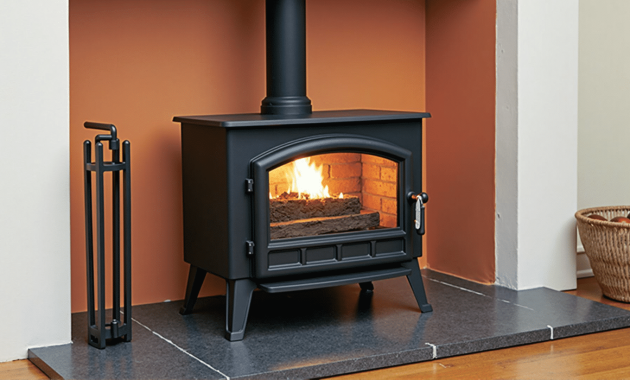
That hot bubble of air right around the stove can be great, while the sofa across the room stays chilly. A simple, heat-powered fan is turning that pattern on its head, shifting warmth into neglected corners and trimming firewood use without adding a single watt to your bill.
What is a self-powered stove fan
This small fan sits on the hot surface of a freestanding stove and runs on the stove’s own heat. Inside, a thermoelectric module creates a tiny electrical current when one side gets hot and the other stays cooler. The current drives a low-draw motor. Blades spin and push warm air sideways, rather than letting it pool at the ceiling.
The principle is called the Seebeck effect. The base absorbs heat from the stovetop, while a finned heat sink on top stays cooler by shedding heat to the air. The bigger the temperature difference, within the safe range, the faster it spins. No cables. No batteries. No switches.
No plug, no batteries: a temperature difference across a small module makes the fan spin and move warm air into the room.
Why rooms feel warmer with it
Still air stratifies. Hot air stacks near the ceiling and around the stove, while cold air sits at floor level. A slow, steady airstream mixes those layers and flattens hot and cold spots. That means the whole room reaches a more even temperature at a lower burn rate.
- More even heat: reduces the “toasty by the stove, chilly by the door” effect.
- Faster warm-up: pushes hot air across the room in the first 10–20 minutes of a burn.
- Lower wood use: a steadier room temperature often means fewer reloads.
- Quieter evenings: many units hum at whisper level because the motor is tiny.
In real homes, owners often report using 5–15% less wood because the room reaches comfort at a lower stove setting.
A £25 gadget that runs on heat alone
Prices typically range from £20–£70 in the UK or $25–$80 in the US. You pay once, then it runs for free whenever the stove is hot enough. There’s no wiring and installation takes seconds: place it on the stovetop’s rear or side plate, give it room to breathe, and let the fire do the rest.
How much can you save
The savings depend on how often you burn, your home’s insulation, and how uneven the room feels today. Here’s a simple way to gauge the payback.
| Annual wood spend | Estimated reduction | Annual saving | Payback on £40/$50 fan |
|---|---|---|---|
| £200 / $250 | 5% | £10 / $12.50 | 3–4 seasons |
| £350 / $450 | 10% | £35 / $45 | About 1 season |
| £600 / $750 | 15% | £90 / $112.50 | Under 1 season |
If you heat most evenings from October to March, a mid-range fan often pays for itself in the first winter. The time value comes from comfort too: a room that feels warmer at the edges lets you burn a little slower without shivering on the far side.
How to position and use it safely
Correct placement matters more than blade count. You want hot base, cool top, and clean airflow.
➡️ I stopped cleaning randomly and finally felt in control of my space
➡️ Garden tax sparks fury as critics warn it punishes nature lovers and rewards concrete driveways
➡️ Bosch finally explains the impact of magnets on your fridge on your electricity bill
- Place on the stovetop toward the back or side, not on a raised cook ring.
- Leave at least 10 cm of space behind the fan so the heat sink can dump heat.
- Aim the flow across the room, not at a wall two feet away.
- Use a stovetop thermometer; most fans prefer 150–300°C (300–570°F) at the base.
- Avoid 350°C+ (660°F) base temps; prolonged overheating can kill the module.
- Lift only by the handle and only when cool; metal parts can burn skin.
Signs your stove is too hot
- Fan speeds wildly, then slows or stops as a thermal cut-out triggers.
- Heat sink changes color or smells like hot paint.
- A stovetop thermometer sits in the “overfire” zone for more than brief spikes.
Keep a stovetop thermometer in view; it protects both the fan and the stove from over-firing.
What to look for when buying
Specs vary more than the photos suggest. Focus on these points rather than just blade style.
- Temperature range: check the minimum start temperature and safe maximum.
- Airflow: look for a realistic rating around 120–220 m³/h (70–130 CFM) for small rooms.
- Blade design: two or four blades both work; larger blades move air at lower speed.
- Overheat protection: a bimetal strip in the base helps lift the fan if it gets too hot.
- Materials: aluminum body and fins handle heat better than thin steel.
- Noise: good models stay under 25–30 dB at operating temperature.
- Warranty: one to two years suggests the module and motor aren’t bargain-bin.
Limitations and when a fan won’t help
It’s not a miracle. Very large, broken-plan spaces still lose heat faster than one fan can push it. Closed doors block airflow. Poorly insulated walls and leaky windows throw away gains. If your insert stove sits behind a decorative surround, you may need a purpose-built blower rather than a stovetop fan. For multi-room heating, a small, quiet doorway fan near the ceiling can carry warm air down the hall.
Maintenance and lifespan
Dust the blades and heat sink every few weeks; dust insulates fins and raises operating temperatures. Wipe with a dry cloth when cool. Don’t use oil unless the maker specifies a service point; many motors use sealed bearings. Store the fan off the stove during summer to avoid knocks and humidity. With gentle use, the thermoelectric module and motor often last several seasons.
Smart add-ons for better burns
- Moisture meter: aim for firewood under 20% moisture for cleaner burns and more heat per log.
- Rope gasket kit: a tight door seal improves control and prevents runaway flames.
- Carbon monoxide alarm: put one in the room with the stove and test weekly in peak season.
- Chimney thermometer or probe: helps spot cool, smoky burns that build creosote.
Burn only seasoned wood under 20% moisture, sweep the flue annually, and install a CO alarm within hearing distance.
A quick, practical way to estimate your payoff
Grab last winter’s log spend. Multiply by 0.05 for a conservative saving, 0.10 for typical, and 0.15 if your room has strong hot–cold spots. Compare that number with the price of the fan you’re considering. If the saving covers half the cost or more, you’re likely close to a one-season return. If you mostly burn on weekends, choose a smaller, cheaper fan; comfort might matter more than strict payback.
A short checklist before you buy
- Freestanding stove with a flat metal top area large enough for a stable base.
- Clear air path across the room and no shelf directly above the stove.
- Thermometer on order, because temperature discipline protects the fan.
- Realistic expectations: better comfort, modest savings, zero plugs.
When a room feels evenly warm from chair to doorway, you tend to dial the fire back a notch and relax. That’s the gift of a self-powered fan: a small push that makes the heat you already paid for reach the places you actually sit.