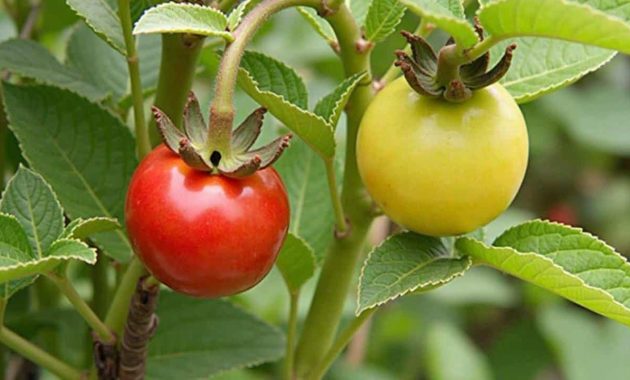
Your beds look tired, the air smells like wet leaves, and the fruit aisle keeps getting pricier. You could wait until spring to act, then rush and overspend. Or you could plant a few forgiving fruit bushes now, let the roots work quietly all winter, and bite into the first sweet rewards as the days stretch again. The garden loves a head start. So do you.
The soil steamed as it met the cool air, and she pressed the roots in, a small act against the long season ahead. Weeks passed with rain on the windows and muddy boots by the door, but the bush didn’t care. It was busy underground.
By April, tiny bells opened on the stems, and May brought fruit, dusky and almost blue-black, sweet like a sour cherry turning kind. It looked like nothing in November. It tasted like planning. The trick is right under your feet.
Why autumn-planted bushes wake up fast in spring
Autumn is the quiet season that cheats the calendar. The soil stays warm long after the air chills, so **plant in autumn while the soil is still warm**, and your bushes get months to knit roots before they’re asked to grow leaves. Rain does the watering, the wind toughens stems, and cold nights slow the top. Roots keep building, hidden and relentless.
Take honeyberries, currants, and gooseberries. A small honeyberry can flower in early spring and ripen in late May in many regions, while a young blackcurrant might hand you a modest bowl by June. I’ve seen a pair of £7 bare-root currants planted in October pay back with two jam jars by early summer, which feels like magic when you did the work in a wool hat. The plants look unhurried, but they hit spring like athletes who trained in secret.
The science tracks the feeling. As daylight dips, shrubs direct energy to roots, stockpiling carbohydrates and building the plumbing that feeds the next season’s push. Microbes keep ticking in warm soil, hooking roots to mycorrhizal networks that trade nutrients like markets on a good day. Spring arrives and those ready-made roots can chase water and minerals immediately, so leaves unfurl fast and flowers set without drama. *Planting in autumn feels like cheating time.*
What to plant now, and how to nail the first harvests
Start simple and early-bearing. Honeyberry (Lonicera caerulea) is the spring speedster, often fruiting before strawberries; gooseberries and currants follow close behind; serviceberry (Amelanchier) can blush in late spring with sherbet-sweet fruit; early blueberries like ‘Duke’ thrive in pots. Dig wide, not deep, roughing up a 50–60 cm circle so roots don’t hit a wall. Soak bare-root plants for 30 minutes, place them at the same depth they grew before, and backfill with your native soil plus compost. Water once to settle. Then mulch, 5–7 cm, leaving stems clear. **Mulch does the heavy lifting.**
Biggest pitfalls are simple. People sprinkle fertilizer too soon, push leafy growth, and lose flowers; or they plant blueberries in alkaline soil and wonder why they sulk. Let the bush establish, then feed lightly in spring. Blueberries like ericaceous compost and rainwater. Currants and gooseberries like sun or light shade and steady moisture. We’ve all had that moment when a plant dies because we “just tucked it in quickly.” Slow down, set the roots right, and walk away. Let’s be honest: nobody actually does that every day.
Choose named, early varieties and give them a sunny seat, sheltered from harsh wind, with room to breathe. Birds will learn what you’re growing, so netting helps once flowers turn to fruit.
“Autumn planting is a gift to your future self,” says a veteran allotment keeper I met at the gate. “You half the work and double the calm.”
➡️ The daily drink centenarians swear by: and it’s surprisingly delicious
➡️ This haircut trick helps hide uneven hair density without obvious layers
➡️ How to recognize when your body is telling you to slow down before you burn out
➡️ A major find in China challenges scientific assumptions about Mars
➡️ “Beware of hidden dangers in your kitchen: “The Food Authority is sounding the alarm. Eliminate…”
➡️ This simple mindset shift made household chores feel lighter
- Top early picks: honeyberry, blackcurrant ‘Ben Connan’, gooseberry ‘Invicta’, serviceberry ‘Prince William’, jostaberry, blueberry ‘Duke’.
- Spacing: 1–1.5 m for currants and gooseberries; 1.2–1.8 m for serviceberry; 1 m for honeyberries.
- Pruning starter: remove crossing or dead shoots after planting; heavier shaping waits until late winter.
- Watering rhythm: a slow soak every 10–14 days if the sky doesn’t do it for you.
Small habits that make spring taste different
Mark a planting day and treat it like a small holiday. Lay out the spots, test a hole with water to check drainage, and set a tub of compost nearby so you don’t wander off mid-job. Tuck in one or two bushes more than you planned—future you will not complain—and tag them with the variety and date. **Choose early-fruiting varieties** and the year bends to you.
After the first frost, top up the mulch to keep soil life cozy, then forget the bushes during the darkest weeks. If late frost threatens blossoms in spring, drape fleece overnight and lift it in the morning. Currants and gooseberries shrug off cool nights, honeyberries are tougher than they look, and serviceberries bloom like they own the month of May. The real work is mostly waiting, and noticing, and not fussing.
By the time neighbors line up at the garden center in April, your shrubs will already be moving, sap rising like music. You’ll spot the first flowers and feel a quiet pride you can’t buy in a queue. The harvest won’t be buckets on year one, and that’s fine. A handful of glowing berries in your palm changes how you see the whole patch and the season ahead—proof that slow plans still win.
| Point clé | Détail | Intérêt pour le lecteur |
|---|---|---|
| Autumn roots beat spring shoots | Warm soil grows roots all winter while top growth rests | Faster spring leaf-out and earlier fruit set |
| Pick early-fruiting species | Honeyberry, serviceberry, early currants and gooseberries | Real chance of a late spring/early summer harvest |
| Mulch and minimal fuss | 5–7 cm organic mulch, light spring feed, simple pruning | Low maintenance with reliable first-year rewards |
FAQ :
- Which fruit bushes can actually harvest by spring?Honeyberries are the earliest, often ripening in late spring. Serviceberries can follow soon after. Early blackcurrants and gooseberries tend to land in late spring to early summer.
- How much sun do they need?Honeyberries tolerate part shade and still fruit; currants and gooseberries do well in sun to light shade; blueberries prefer full sun in cool climates and morning sun in hot ones.
- Can I grow them in pots?Yes. Blueberries thrive in large containers with ericaceous compost; honeyberries and compact currants handle tubs too. Use a 35–45 cm pot to start and water deeply.
- Do I prune right after planting?Only remove damaged or crossing wood at planting. Shape in late winter while dormant, keeping the center airy. Heavy cuts right away can slow establishment.
- How do I protect the early crop?Use fleece on frosty spring nights and net against birds once fruit sets. A thick mulch keeps roots stable and the plant less stressed by cold snaps.