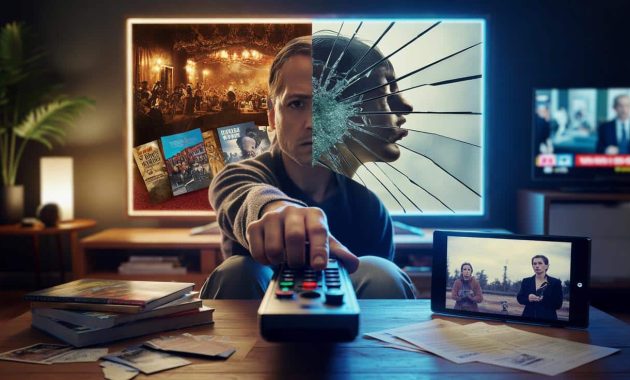
The night the streaming platform dropped his old stand‑up special, my group chat lit up like an alarm. Half the friends were thrilled: “Finally, the uncensored version.” The other half sent links to court documents and angry threads. Someone typed, “I can’t watch him anymore knowing what he did,” and the conversation stalled.
We were no longer talking about jokes. We were talking about guilt. Ours. His. The system’s.
That quiet, guilty pause is where many of us now live as viewers, readers, and listeners. We love the art. We’re repulsed by the artist. And every play, click, or ticket feels like a vote.
The discomfort isn’t going away.
When the masterpiece has a monster in the credits
Scroll any social feed and you’ll hit it fast: a clip from a film you adore, followed by a comment like, “Shame the director’s a creep.” One second you’re laughing at a scene you know by heart, the next you’re remembering the accusations you read last year.
Your body almost does a double take. Your thumb hovers over the replay button as if there’s a moral alarm wired into your screen.
This strange, twitchy guilt is new in its intensity, but the core question is old. Can we still enjoy work by people who’ve done ugly, even unforgivable things? Or does every rewatch make us complicit?
The room feels different once you know who turned on the lights.
Think of Michael Jackson drifting out of a supermarket speaker. For a lot of people, “Billie Jean” is childhood, first love, messy karaoke nights. Then came “Leaving Neverland”, the resurfaced allegations, the endless arguments. Some radio stations quietly dropped him. Others doubled down. Fans posted photos of tattoos and said they’d never stop listening.
Woody Allen films run on late‑night TV while timelines resurface Dylan Farrow’s open letter. J.K. Rowling tweets about gender and people who literally grew up with Harry Potter suddenly feel torn between a series that shaped their lives and a creator whose views hurt them.
The pattern repeats with music, comedy, fashion, YouTube stars. A work you once consumed on autopilot now arrives wrapped in a moral questionnaire you never signed up to answer.
Part of the tension comes from how we’ve been trained to think about genius. For decades, the “tortured artist” myth excused just about anything. If a man wrote brilliant novels or groundbreaking films, people around him often swallowed a lot of cruelty as the cost of brilliance.
We’re finally questioning that deal, and it stings because we already cashed the check. These works shaped our taste, our memories, our sense of self. Scrapping them can feel like tearing out a piece of our own history.
At the same time, we now see the power of money and attention flows. Streams and box office returns are not neutral; they buy lawyers, silence, and second chances for people who’ve harmed others.
The masterpiece is never just a masterpiece. It’s also a business model.
Finding a way to watch, read, and listen without lying to yourself
One practical way through this mess is to separate three things in your head: the work, the person, and the system paying them. Then you can pick your battles with more clarity.
Maybe you still study a problematic filmmaker in a film school class, but you borrow the DVD from the library instead of streaming it on their official platform. Maybe you keep old songs you already bought but stop buying tour tickets or new merch.
When you do choose to engage, do it consciously. Ask: Am I giving this person fresh power, or just using an already‑circulated text to learn, critique, or understand culture?
That small pause turns a guilty reflex into an intentional action.
The most common trap is moral all‑or‑nothing thinking. People announce, “Anyone who still listens to X is trash,” or, “Cancel culture is out of control, I’ll watch whatever I want.” Both feel clean, quick, and satisfying. They also miss the point.
We’ve all been there, that moment when you hide a playlist, switch accounts, or mumble, “It’s complicated,” when someone side‑eyes your old DVD shelf. Shame thrives in secrecy.
A more honest route is to admit: I still love this piece of art, and I’m also deeply uncomfortable with who made it. Those two feelings can sit in the same room without you pretending they cancel each other out.
Let’s be honest: nobody really does this every single day.
Sometimes the bravest sentence you can say online is, “I don’t have a pure answer, but I’m trying to do less harm with what I support.”
- Ask where the money goes: Does your view, ticket, or click directly fund someone credibly accused of abuse, or is it a legacy work paying mainly corporations and estates?
- Shift your spotlight: You can keep complex feelings about classics while actively boosting **marginalized and ethical creators** who rarely get the same visibility.
- Use context, not erasure: When you engage with tainted work, talk about why it’s tainted. Teach your kids or friends that *brilliance and harm can coexist in one human life*.
- Respect different thresholds: Your “I’m done with this artist” line might be miles away from someone else’s. **Drawing a firmer boundary doesn’t make you better; it makes you you**.
- Protect your own story: If a book, song, or film is tied to a precious memory, you’re allowed to hold that memory gently while still refusing to fuel the artist’s present‑day power.
The grey zone we’re all living in together
In the end, the “cancel or separate” debate isn’t about purity; it’s about power, care, and what kind of culture we want to fund going forward. We’re the first generation with this level of instant access to both the art and the receipts, and our reactions are inevitably messy.
Some people will never read a certain author again. Others will keep their battered copies on the shelf, but buy new work only from safer hands. Some will argue that even the ugliest artists deserve a place in the museum, just behind a glass panel of context.
What matters is not performing perfection, but staying awake. Notice what you’re rewarding. Be willing to change your mind. Tell the truth about your contradictions instead of hiding them under a performative boycott or a shrug.
The masterpiece and the monster may never fully separate. The question is what you do with that knowledge when you press play.
| Key point | Detail | Value for the reader |
|---|---|---|
| Art/person/system | Distinguish emotional attachment to a work from financial support of a living creator | Helps you choose actions that match your ethics without erasing your past |
| Intentional consumption | Pause before streaming, buying, or sharing and ask who gains power from your attention | Turns passive guilt into active, realistic choices |
| Room for nuance | Accept conflicting feelings and different personal thresholds instead of demanding purity | Reduces shame and moral burnout while still encouraging change |
FAQ:
- Question 1Does liking the work automatically mean I support the creator?
- Answer 1Not automatically, but many forms of engagement do translate into money and influence. That’s why it helps to distinguish between revisiting old, already‑paid‑for works and actively buying new releases, tickets, or merch that strengthen a problematic creator’s current power.
- Question 2Should I throw away books or albums by “cancelled” artists?
- Answer 2You don’t have to. Some people donate them, keep them with a mental asterisk, or use them for critical study. The key is whether owning them continues to send money or status to someone whose actions you reject.
- Question 3What if this artist’s work helped me survive a hard time?
- Answer 3That story is real, and it’s yours. You can honor how the work held you while still acknowledging the harm the creator caused. Keeping your healing and their behavior in separate boxes can be painful, but it’s a valid way to protect your experience without denying others’ hurt.
- Question 4Is “cancel culture” destroying free expression?
- Answer 4Social backlash can feel intense, but most high‑profile creators still have platforms, lawyers, and fans. Criticism, boycotts, and choosing not to watch are also forms of expression. The real concern is when harassment and threats replace debate and accountability.
- Question 5How do I talk about this without starting a war in my group chat?
- Answer 5Lead with your own conflict instead of accusing others: “Here’s why I stopped streaming him, but I get why it’s complicated.” Ask questions, share information, and be ready to say, “We see this differently and that’s okay.” You’re not a court handing down sentences; you’re a person setting your own line.