They calm busy rooms and make us care again. What’s new is the way people are feeding them.
A low-tech, low-cost method is quietly spreading from small flats to commercial greenhouses. It uses kitchen tools, garden scraps and a green principle: feed the plant, and feed the soil that feeds the plant. Results appear gradual, then obvious.
The leaf-based fix gardeners swear by
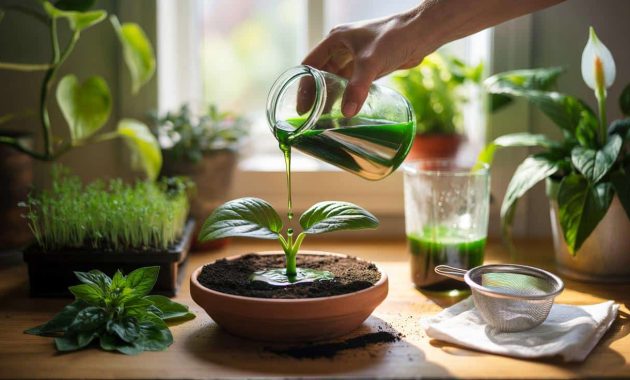
The method relies on a homemade extract from fresh green leaves. The core compound inside those leaves is chlorophyll. That pigment drives photosynthesis and sits at the center of a magnesium ring. When you break leaves down gently and apply the liquid to soil, you supply trace nutrients and stimulate the underground web of microbes that unlock nutrients.
Used every two weeks, a simple leaf extract can kickstart growth while waking up the soil life around roots.
Gardeners report denser foliage, stronger color and smoother recovery after stress. It fits a shift away from salty mineral fertilizers and away from coffee grounds used without context. Coffee can skew pH and invite fungus gnats. Heavy mineral feeds can burn roots if misused and can leach away. A leaf extract works with biology instead of pushing against it.
Why chlorophyll helps
Chlorophyll-rich liquids are not magic. They support processes that plants already run. Magnesium from leaf tissue supports chlorophyll in new leaves. Mild organic compounds from the blend can chelate micronutrients. That keeps iron and manganese available in container mixes that dry fast.
The liquid also encourages bacteria and fungi that trade minerals for plant sugars. A livelier rhizosphere means better nitrogen cycling, less nutrient lock-up and steadier moisture.
- Better light use: helps leaves capture and use low indoor light more efficiently.
- Trace magnesium: supports chlorophyll formation in new growth.
- Softer feeding: reduces salt buildup in pots, which can scorch root tips.
- Microbial lift: fuels microbes that convert organic matter into plant-ready nutrients.
- Resilience: steadier growth under drafts, mild heat spikes or brief dry spells.
How to make a quick chlorophyll feed
You need clean leaves, water and a blender. No long brews, no special kit.
Leaf choice matters: the darker the green, the richer the chlorophyll — but always choose pesticide‑free material.
What plants benefit and how often
Most houseplants, potted herbs, veg seedlings and balcony shrubs respond well. Frequency beats volume. A light feed every two weeks supports growth without upsetting the soil balance. Space applications during winter rest. Keep the rhythm during active spring and summer growth.
➡️ Meteorologists confirm that the jet stream will realign unusually early this February
➡️ Stylists say this is the best haircut if your hair refuses to hold a style
➡️ 2026 TVs Will Smash 4K Limits Thanks To These New Technologies
➡️ Bad news : Starting March 15, a prohibits mowing lawns between noon and 4 p.m.
| Plant type | Dilution | Timing | Notes |
|---|---|---|---|
| Foliage houseplants (pothos, philodendron, ficus) | 1 part extract to 3 parts water | Every 14 days in spring–summer | Reduce to monthly in winter |
| Flowering indoor plants (anthurium, peace lily) | 1:4 dilution | Every 2–3 weeks | Pair with bright, indirect light |
| Seedlings and herbs | 1:5 dilution | Weekly, very light | Stop if stems stretch or yellow |
| Potted shrubs and patio fruit | 1:2 dilution | Every 2 weeks | Water first, then apply |
Common mistakes and safeguards
Do not drench dry soil. Moist soil spreads nutrients more evenly. Do not overconcentrate. If leaves curl or tips brown after feeding, increase dilution and increase time between applications.
Use fresh. Store the strained liquid in the fridge for up to 48 hours only. Longer storage turns anaerobic and can smell sour. Discard if it foams or smells rotten. Clean the blender and filters well to avoid cross‑contamination.
Source leaves away from roads and dog‑walk routes. If in doubt, rinse and pat dry before blending. Test on one plant first. Wait a week, then roll it out if growth improves and no leaf spotting appears.
Soil first: the hidden boost below the surface
We often think feeding is about pouring nutrients into pots. The bigger shift here sits underground. The extract adds tiny amounts of nitrogen, magnesium and phytoactive molecules. More crucially, it gives microbes food. That helps form aggregates in potting mixes. Aggregates hold air pockets and water films. Roots then breathe better and sip moisture over time.
This structure cuts nutrient losses from heavy watering. It also reduces swings in pH that stress sensitive houseplants. Over a few weeks, many growers see thicker petioles, tighter internodes and steadier color across older leaves.
Healthier soil biology means fewer extremes: fewer flushes followed by crashes, fewer crispy edges, fewer mystery stalls.
What science says, without the jargon
When leaf cells break, chlorophyll degrades and releases magnesium ions. The slurry also carries amino acids, organic acids and antioxidants. These can bind metals, move iron to where roots can use it and buffer pH in micro‑zones around root hairs. The effect is additive. It does not replace balanced nutrition from compost or quality potting mix. It makes that base work harder.
Expect incremental change. You will not see overnight blooms. Look for cleaner new leaves, less chlorosis between veins and a gradual thickening of canopies. That is the signature of better photosynthetic capacity and calmer root zones.
Practical extras that lift results
Pair this feed with smart light. Clean dust off leaves once a month. Rotate pots a quarter turn weekly for balanced light. Add a cheap reflector on dark shelves. Better light efficiency makes the most of the added magnesium.
Mind water quality. Very hard tap water locks micronutrients and can blunt the benefits. If your kettle furs up fast, dilute with rainwater or filtered water when making and applying the extract.
Mix with compost habits. A thin layer of mature compost on the pot surface every few months gives a steady nutrient base. The green extract then speeds its breakdown. For hydroponic setups, do not use this method. It clouds reservoirs and can foul pumps.
Variations if you lack leafy trimmings
- Seaweed flakes or dried kelp blended and strained add potassium and natural growth regulators. Use at lighter dilutions.
- Nettle or comfrey leaves produce strong brews. Keep them gentle for indoor plants by using a higher dilution.
- Spent prunings from houseplants are fine. Avoid pest‑ridden or mildewed material.
Risk notes matter. Some tree leaves carry allelopathic compounds that slow growth in other species. Black walnut is a classic example. If you garden near walnut, keep its leaves out of the blender. The same caution applies to aromatic eucalyptus and to leaves sprayed with systemic pesticides.
One final check: watch for fungus gnat activity. Any organic liquid can attract them. Water less often, let the top centimeter of mix dry between feeds and use sticky traps during the first weeks. If gnats rise, pause the extract and resume after the cycle breaks.