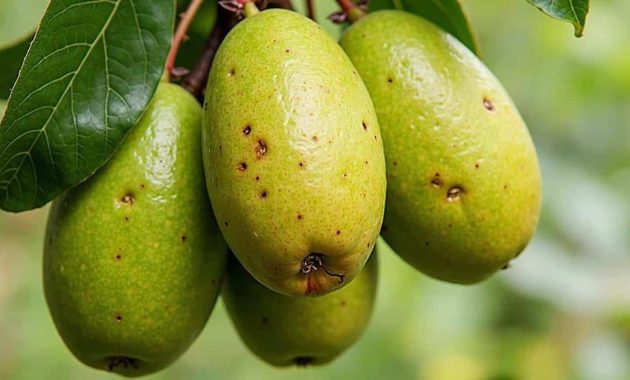
The apple fell with a soft thud on the frosty grass and just… stayed there.
A few meters away, a blackbird watched, head tilted, like it was waiting for a signal. The garden was quiet, soil crusted with cold, borders stripped of color. No more buzzing, no more lazy butterflies, just the sharp sound of air on a January morning.
I almost bent down to pick that apple up, out of habit, the way you “tidy” a garden before winter. Then a robin dropped in, landed right next to the bruised fruit, and started pecking like it had stumbled on treasure.
Sometimes, the best thing you can do for wildlife is to stop cleaning.
And leave one specific fruit on the ground.
The winter fruit that quietly keeps birds alive
When the cold bites and the days shrink, our gardens start to look empty. The bright berries have been stripped, the seed heads pecked clean, and what’s left is a kind of beige quiet. That’s exactly when one fruit suddenly becomes priceless to the birds that stick around.
That fruit is the humble apple.
Not the shiny ones in your fruit bowl, but the bruised, spotty, slightly fermented apples you’d normally rake up, bag, and forget. For many garden birds, those “waste” apples are like a miniature winter pantry lying right at ground level.
Watch a garden long enough in late December and you’ll see it.
Blackbirds bouncing between fallen apples. Thrushes wedging their beaks deep into the soft flesh. Even wary fieldfares and redwings will drop in, nervously, taking quick bites before darting back to safety.
A gardener from Kent once told me she counted more than a dozen species feeding from just three windfall apples under her oldest tree. No fancy feeders, no expensive seed mixes. Just fruit that would have gone straight to the compost heap. That quiet patch of messy ground basically turned her lawn into a winter café.
There’s a simple reason apples work so well.
As they sit on the ground, they soften and break down. The cold slows decay just enough so they don’t rot instantly. Sugar concentrates, the flesh becomes easier to pierce, and birds with smaller or weaker beaks can get to the goodness inside.
Apples also bring quick energy. They’re water, natural sugar, and a few vitamins in one bite, which matters when a tiny body needs to survive a long, freezing night. *On the scale of winter survival, one small apple can mean one more sunrise for a bird that’s running out of options.*
That’s not poetic, that’s biology.
How to “feed” birds by not tidying your apples
You don’t need an orchard to help.
One small apple tree, or even a bag of cheap cooking apples, can change the winter script in a backyard. The key gesture is almost ridiculously simple: leave some on the ground.
➡️ Neither tap water nor Vinegar: The right way to wash strawberries to remove pesticides
➡️ The grandmother’s old mix that makes floors shine the easy method proven over decades
➡️ Rafale: India prepares a second major Rafale M carrier jet contract
If you don’t have your own tree, place a few apples directly on the soil or on a patch of short grass. Space them out a little so birds aren’t forced too close together. As they soften, you can cut them in half to help the more timid species. It’s low effort, quietly generous, and happens right at your feet.
Many of us have been trained to see fallen fruit as dirt, as something to be removed fast.
We think of wasps in summer, mushy patches on the lawn, or that faint smell of fermentation that makes neighbors frown. In winter, though, that same “mess” becomes a lifeline.
If you’re worried about attracting rodents, don’t leave mountains of fruit. A handful of apples, refreshed every few days, is enough. Avoid placing them right up against the house or sheds. And skip any fruit treated with harsh chemicals or heavy wax coatings. We’ve all been there, that moment when you overdo the tidying and then realize you’ve removed every last scrap of food or shelter from your garden.
“People ask me what’s the best bird feeder to buy,” says a volunteer from a local wildlife rescue center. “Honestly? In winter, a half-rotten apple on the ground beats a spotless, empty feeder every single time.”
- Best fruit to leave on the ground
Apples, especially windfalls or slightly bruised ones. - Best place to put them
Open, visible areas near shrubs or hedges so birds can feed and dart to cover if startled. - Best timing
From late autumn through early spring, especially in cold snaps and after heavy frost. - What to avoid
Mouldy fruit, fruits covered in tough supermarket wax, or piles that could attract too many pests. - Reality check
Let’s be honest: nobody really does this every single day. Rotate a few apples when you remember, and you’re already doing more than most.
A small winter mess that changes how you see your garden
There’s something oddly moving about watching a bird stand on a half-eaten apple in freezing air, feathers fluffed, eyes bright, determined to get through another day. Your garden stops being just a background for summer barbecues and turns into a kind of shared territory, where your habits matter for other living things.
You might start noticing patterns. The exact hour a robin drops by. The way blackbirds argue loudly over the “best” apple. The slow disappearance of each fruit after a night of quiet feeding. One simple decision not to clean up too much pulls you into that rhythm.
Over time, this changes us too.
The perfect lawn doesn’t feel quite as important when you’ve seen a song thrush hammering seeds out of a frozen apple core. You start to accept a bit of winter imperfection: a patch of long grass here, a corner of leaves there, a few apples melting into the soil.
That one fruit on the ground does more than feed. It invites you to step outside for just a minute on a cold morning, hands in pockets, breath hanging in the air, watching life carry on in tiny, stubborn gestures. **A bruised apple in January is a quiet act of resistance against a garden that’s too clean to be alive.**
And once you’ve seen a bird survive off it, you’ll never look at windfalls the same way again.
| Key point | Detail | Value for the reader |
|---|---|---|
| Leave apples on the ground | Use windfalls or cheap apples, spaced out on soil or short grass | Turns your garden into a natural winter feeding station with almost no effort |
| Focus on winter and cold snaps | Offer apples from late autumn to early spring, especially in frost | Supports birds when natural food is at its lowest and survival is hardest |
| Accept a bit of “good mess” | Resist over-tidying; remove only mouldy or excessive fruit | Creates a bird-friendly, more resilient garden without big changes or costs |
FAQ:
- Which fruit is best to leave on the ground in winter for birds?
Apples are the top choice. They soften in the cold, are easy for most garden birds to eat, and stay edible on the ground for days without turning instantly to slime.- Can I leave other fruits like pears or plums as well?
Yes, birds will sometimes eat pears or plums, but apples tend to be more stable in winter conditions and attract more species. Pears rot faster and can become mushy too quickly in mild spells.- Will leaving apples on the ground attract rats?
It can if you leave large piles. Offer just a few apples at a time, away from buildings and compost heaps, and remove anything that goes untouched and starts to mould.- Is it safe to use supermarket apples?
It’s better to use untreated or homegrown fruit. If you only have shop-bought apples, choose unwaxed ones and wash them before putting them out for birds.- Do I still need bird feeders if I leave apples out?
Feeders are useful, especially for seeds and fat, but ground apples complement them really well. Soft fruit helps species that prefer feeding low or can’t easily cling to feeders.