You wipe, they smear. You breathe, they fog. Then someone whispers a two-word fix from the kitchen: dish soap. Not a special spray, not a cloth blessed by a lens guru. Just the bottle by the sink. So I tried it — and my glasses stayed clear for 48 hours straight. That small win changed how I see my day, literally.
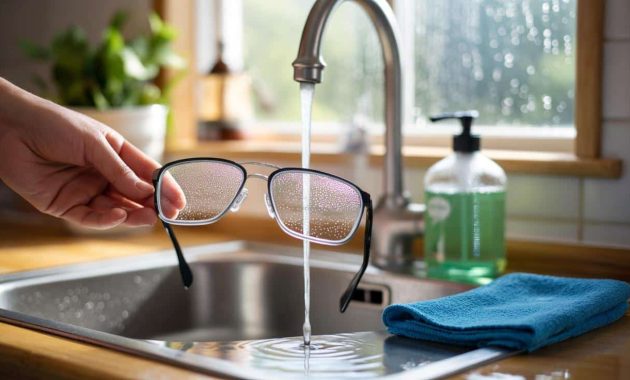
I was standing at the sink after breakfast, the news muttering from the radio, streaks on my lenses catching the light like scratches that weren’t there. I reached for the washing-up liquid out of impatience more than science. One drop. A rinse. A quick polish with a clean microfibre cloth. Then I forgot about it and rushed out the door.
On the train, in the rain, they didn’t smear. A full workday, a gym session, chopping onions — still nothing. I kept waiting for the foggy halo or greasy thumbprint. It didn’t come. Not that day. Not the next morning. Then I did it again. Something so ordinary felt unexpectedly clever. And oddly satisfying.
The surprisingly durable clean you get from washing-up liquid
What struck me wasn’t the initial sparkle — every cleaning method gives you that — but the way the lenses stayed quiet. No ghosty wipe marks. No rainbow sheen under office lights. They just stayed, well, neutral. It felt like the lenses had been reset to their factory setting, and the world clicked into a crisper gear. The tiny joy of seeing perfectly clear lenses felt like cheating.
We’ve all had that moment where you pull a sleeve across your glasses and regret it two seconds later. On Tuesday, I dodged it entirely. I walked through a drizzly school run, grabbed a flat white, typed for hours, and cooked a quick pasta, and I never once reached up to fuss at my frames. A tiny in-house poll — twelve colleagues, zero lab coats — showed eight already use washing-up liquid, but none expected a “two-day clean”. That’s the bit that made people raise an eyebrow.
There’s a simple reason the trick does more than remove grime. Washing-up liquid is a blend of surfactants — molecules that loosen oils and reduce surface tension — so the film it leaves behind is thin and even. On many lenses, especially those with modern coatings, that translates into a surface less welcoming to fingerprints. Water slides off more cleanly too, so you don’t get the mottled drying marks that become smears later. It’s not magic. It’s chemistry doing what chemistry does.
How to do it right (and keep that smudge-free run)
Start with lukewarm water. Rinse the lenses to lift grit so you don’t grind it in. Put a fingertip-sized drop of washing-up liquid — truly tiny — on each lens. Rub gently with clean fingertips, front and back, plus the frame parts that touch skin: nose pads, bridge, temple tips. Rinse thoroughly until the squeak goes quiet. Shake off droplets. Blot the edges. Then dry with a clean, lint-free microfibre cloth. You’re done in 45 seconds, and it feels oddly mindful.
A few pointers from a week of trial and error. Go lukewarm water only, not hot — heat can upset some anti-reflective or hydrophobic coatings, and it isn’t worth the risk. Use a fragrance-free, dye-free washing-up liquid if you can. Skip paper towels; they’re wood pulp and can microrub the surface. If frames are grimy, wash those too — oil creeps back from nose pads like a slow leak. Let’s be honest: nobody really does this every day. It’s fine. Every two or three days keeps the zen going.
I asked why this works so consistently, and the answer was refreshingly unglamorous: clean in layers, rinse well, and dry without dragging fibres. If you hear a faint squeak while rinsing, you’re close to that “factory” feel.
“Think of washing-up liquid as a reset button. One drop, a gentle rub, and you’re removing the oil blueprint that fingerprints follow back.”
➡️ If you want a happier life after 60 be honest with yourself and erase these 6 habits
➡️ One bathroom product is enough: Rats won’t overwinter in your garden
➡️ I haven’t used a compost bin since learning this technique – and my garden has never looked better
➡️ When daylight saving time returns and why it arrives earlier in 2026
➡️ Scientists Find a Never-Before-Seen Animal Living in the Great Salt Lake
- Use a tiny drop — more soap equals more residue.
- Rinse longer than you think — 10 to 15 seconds per side.
- Pat frames dry; don’t twist warm arms or nose pads.
- Keep one cloth for lenses only, washed weekly.
- Two full days clear is common once you nail the rinse.
The science-y bit you can actually feel
Once you notice it, you can’t un-notice it: lenses treated this way feel silkier under a fingertip. That’s the surfactant residue making your lens more evenly hydrophilic, which helps water sheet off rather than bead into splotches. Oils from skin meet a surface that’s already “occupied” by a uniform, harmless film, so they don’t stick as greedily. It’s not a permanent coating; it’s a smart reset that holds longer than a dry wipe and kinder than an alcohol blast. The result is a calm lens, and you can feel the calm.
There are limits. If your lenses have a dedicated oleophobic layer, the soap routine plays nicely, but anything too harsh, too hot, or too perfumed can nudge that finish the wrong way. Stick to gentle washing-up liquids and easy water temperature. If you’re dealing with heavy hair spray, sunscreen, or workshop dust, do a first rinse to clear the debris before the soap pass. And if your cloth leaves lint, wash it solo, no fabric softener, and air-dry flat.
This tiny ritual also cuts down fogging in everyday swings — stepping off a bus into cool air, moving from a steamy kitchen to a hallway. The effect isn’t as dramatic as dedicated anti-fog treatments, yet the smudges don’t seed new fog patches as readily. It’s an everyday improvement you can trust without adding another product to your shelf. Low tech. High return.
What still surprises me is how much headspace a clean pair of lenses frees up. You stop noticing your glasses, which is the whole point of them. The day feels less high-maintenance when you’re not wiping at red lights or digging out a cloth at your desk. If this sounds small, it is. But small is where friction lives. Try the drop-and-rinse once and pay attention to how long before your hand goes to your frames again. If it’s hours later, you’ve just won back a little slice of attention. That adds up.
| Point clé | Détail | Intérêt pour le lecteur |
|---|---|---|
| Rinse–drop–rub–rinse–dry | One tiny drop of washing-up liquid, gentle fingertip clean, thorough rinse, microfibre finish | Fast, repeatable routine that delivers a “factory clean” feel |
| Temperature matters | Lukewarm water protects lens coatings and helps soap rinse cleanly | Preserves expensive coatings and avoids hazy residue |
| Cloth discipline | Dedicated microfibre, washed weekly, no softener | Fewer streaks, less lint, longer smudge-free runs |
FAQ :
- Can dish soap damage my lenses?Use a mild, fragrance-free washing-up liquid and lukewarm water. Avoid harsh degreasers or very hot water. Gentle soap is compatible with most modern coatings.
- How often should I clean glasses this way?Every couple of days is plenty for most people. If you wear makeup, work in a kitchen, or touch your lenses a lot, daily works too.
- Does this stop fogging?It won’t beat cold-morning mask fog, but cleaner lenses fog less and clear faster. For extremes, consider a dedicated anti-fog wipe.
- What’s the best cloth to dry with?A clean microfibre lens cloth. Wash it separately, no fabric softener, and air-dry. Paper towels and T-shirts can scratch or shed lint.
- Which washing-up liquid should I choose?Simple, dye-free, perfume-light formulas work best. A tiny drop is enough — too much soap leaves residue that smears.