The walk started near a popular volcanic plateau above Clermont-Ferrand. Snow charmed the children. Visibility slipped. The weather turned in minutes. What followed shows how quickly a family outing can brush against danger in the mountains, even on familiar paths.
What happened near the Puy de Fraisse
On Saturday, 22 November, a 38-year-old mother and her two four-year-old daughters lost their way in fresh snow close to the Puy de Fraisse, at Orcines in France’s Puy-de-Dôme. The girls ran ahead to play. Their mother followed, as parents do. Fog rolled across the plateau. Dusk crept in. Landmarks vanished. The trio could no longer pick out the route back to the car.
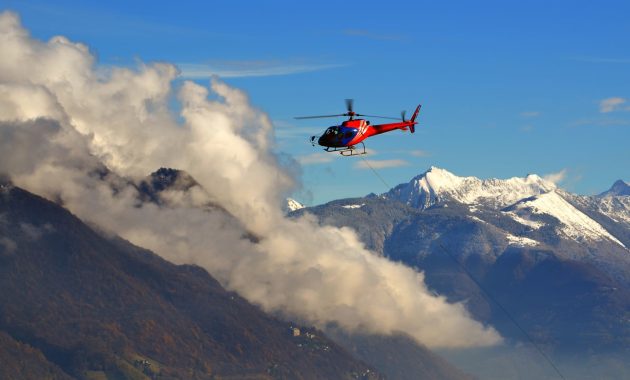
Relatives raised the alarm when the family did not return on time. Local gendarmes opened a missing-person response. The mountain unit, known as PGHM, joined the search, supported by the Civil Security helicopter Dragon 63. Crews scanned paths and open ground, moving fast before darkness and temperature drop added new risk.
Search teams located the mother and her daughters after about an hour, near the Puy de Fraisse. They were safe and able to walk.
No injuries were reported. The operation ended quickly thanks to the alert from relatives and a coordinated response on the ground and in the air.
A routine walk that turned confusing
Snow has a way of flattening a landscape. Footpaths soften. Edges blur. In fog, the effect deepens. The family, like many weekend walkers, likely knew the area in clear weather. In a white, shifting scene, the memory of a path can miss by a few metres, which is all it takes to lose bearings near tree lines and volcanic mounds.
Fog, snow and fading light form a simple trap: you move a little to fix the view, and that move makes the view worse.
Inside the rapid mountain rescue
France’s PGHM units hold a tight partnership with local gendarmes and the Civil Security helicopter network. The evening call triggered a standard cold-weather protocol in the Massif Central.
- Two gendarmerie patrols swept likely routes from the trailheads.
- PGHM specialists searched higher, snow-covered ground and hollows where sound carries poorly.
- Helicopter Dragon 63 overflew the zone and coordinated with teams via radio.
In these operations, crews often rely on light patterns, shouts, and phone pings to close distance. Staying together helps rescuers lock onto one target rather than three scattered ones. The short search window here suggests the location report was precise and the trio remained within a small radius.
Why fog, snow and night catch out even careful walkers
White surfaces reflect light and kill contrast. Fog scatters that light and hides edges. At dusk your eyes lose colour and depth cues. Add children full of energy and the group stretches out. The recipe feels innocent until it isn’t.
➡️ Heating: the 19°C rule is over — here’s the temperature experts now recommend
➡️ Everyone Is Rushing To Buy The New Logs That Quadruple The Heating Power Of Stoves And Fireplaces
➡️ “I felt more secure after simplifying my financial system”
| Factor | What it does | How to counter it |
|---|---|---|
| Fresh snow | Erases tracks and smears path lines | Use a marked GPX route and stick to waypoints |
| Fog/low cloud | Blocks landmarks and muffles sound | Set group distance rules; whistle signals |
| Early night | Reduces contrast and temperature | Carry headlamps, warm layers, a hard turnaround time |
If you lose your way in the mountains
Rescuers repeat the same core advice each winter. It saves time. It saves energy, especially with children.
- Call 112. Give plain details: who you are, how many people, ages, injuries, last known point, and your phone’s battery level.
- Share coordinates if your phone shows them. Many devices display latitude/longitude in the compass or maps app, even offline.
- Stay put unless you face a clear danger. Moving makes you harder to find and burns heat.
- Make yourselves visible: headlamps on steady beam, bright clothing on the outside, one whistle blast every minute.
- Keep warm: add layers, keep children off the snow with packs or spare clothes, sip warm drink if you packed one.
- Conserve battery: dim the screen, close apps, disable constant location sharing after you’ve sent coordinates.
In France’s mountains, 112 connects you to a dispatcher who can engage PGHM directly. Speak slowly; English works if French is hard.
About PGHM and Dragon 63
PGHM units are specialist mountain gendarmes trained for rope work, avalanche response and winter searches. They cover France’s massifs, including the Alps, Pyrenees and the Massif Central. Civil Security helicopters, such as Dragon 63 in the Puy-de-Dôme, move teams fast, guide ground patrols, and lift casualties when terrain blocks road access.
Local conditions and seasonal risk
The Puy de Dôme area sits on a volcanic chain of rounded peaks and high plateaus. Trails feel welcoming under a blue sky. In late November, weather systems drift in from the west and push moist air up the slopes. Fog forms. Wind adds a chill that cuts through clothes not meant for hours in snow. Many paths cross open ground, where the line between track and field fades after snowfall.
Late-autumn daylight in central France fades by late afternoon, and fog can build fast on exposed plateaus.
Families often choose these sites for short weekend walks. That choice makes sense. The trick is planning for the season, not the map picture on a sunny day in May.
What to pack for a short winter walk with kids
You don’t need expedition gear. You do need a few small items that punch above their weight.
- Two headlamps and spare batteries, even if you plan to be back by mid-afternoon.
- Whistle on a lanyard for each child. Three short blasts signal help.
- Lightweight foil blanket and a thin foam sit pad to insulate from snow.
- Fully charged phone and a compact power bank. Download an offline map of the area.
- Hot drink in a small flask and extra snack for each person.
- Bright hat or vest to aid visibility in fog and at dusk.
Planning habits that reduce risk
Set a hard turnaround time tied to sunset, not distance. Share your route and expected return with someone at home. Mark a few bailout points on your map where you can drop to a road or a café if weather shifts. Teach children to stop when they can no longer see the adult in charge. Make a simple family signal plan: one whistle blast means “stop”, two means “come back”.
This incident ended well. It also carries a lesson that travels. Shorter days, low cloud and fresh snow can turn a familiar loop into a maze. A phone, a lamp and a plan keep that loop friendly, even when the sky turns white and the light runs out.