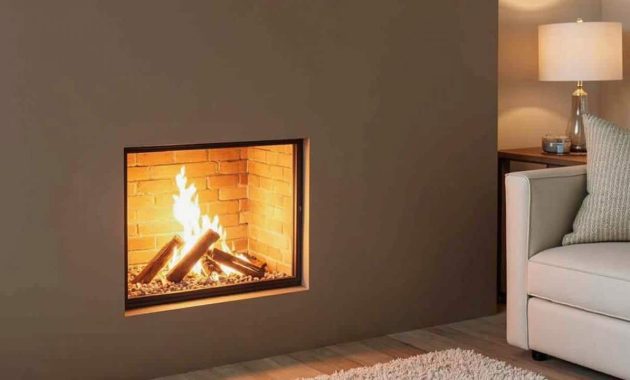
Yet homes hide spare warmth. A simple daily routine pulls it together.
This isn’t a miracle fix. It’s a set of small moves that stack. Use daylight. Seal leaks. Hold warmth after dark. Manage moisture. Add safe, everyday heat. Done together, the room feels warmer without switching on the boiler.
The free heat routine: make the most of what you already have
Think of your home as a slow battery. Sunlight charges up walls, floors and furniture. Good habits keep the charge inside. Drafts drain it. Textiles slow that drain. Moisture changes how warm your skin feels at the same temperature. The routine below lines up these pieces across the day.
Open by day, seal at dusk, stop drafts, zone rooms, and keep indoor humidity in the comfort band. That’s the free heat routine.
Morning: invite the sun in
- Open curtains and blinds on any window that gets sun. Clear windowsills so light hits floors and furniture.
- Pull back net curtains. The more glass exposed, the more solar gain reaches thermal mass.
- Wipe condensation. Dry glass lets in more light than fogged panes.
- Move bulky furniture a hand’s width away from cold windows to reduce radiant chill.
Sun-warmed surfaces release heat slowly through the afternoon. Even on bright, cold days you can lift room temperature by a couple of degrees this way.
Afternoon to dusk: lock heat in
- Close heavy curtains as light fades. Do this early, not at bedtime. You’re building a thermal barrier against cold glass.
- Add a second layer if you can. A light curtain for daylight, a lined curtain for night makes a cheap “air pocket.”
- Lower blinds behind curtains to create another still layer of air.
- Place towels or a draft snake at the bottom of exterior doors. Stop that low-level river of cold air.
Windows leak the most heat. You can boost them for pennies. Bubble wrap pressed onto a misted pane clings on its own. It traps air and softens radiant chill from single glazing. It’s not pretty, but it works on little-used rooms and old sash windows. Rugs on bare floors cut heat lost to chilly boards and feel warmer underfoot.
Close curtains at dusk, not at night. That one timing tweak holds on to hours of stored warmth you already paid for with daylight.
Evening: use everyday heat, safely
- Cook. Ovens and hobs warm nearby air while food is on. When you switch the oven off, leave the door ajar for a few minutes to let residual heat out. Keep children and pets clear. Never use a gas oven as a room heater.
- Shut doors to rooms you don’t use after 6 pm. Smaller warm zones stay warm longer.
- Candles add a tiny bump in small spaces and boost the feeling of cosiness. Place them on stable, non‑flammable bases. Never leave them unattended.
- Run heat‑making chores when you’re in the room. A dishwasher’s drying cycle, a tumble dryer vented correctly, or a warm wash load airing on a rack can nudge the temperature. Watch moisture levels to avoid damp.
Humidity and comfort: aim for the sweet spot
Air that’s too dry makes a room feel colder. Air that’s too damp feels clammy, grows mould, and steals heat as water evaporates. Keep relative humidity in the middle band and your body feels warmer at the same thermostat setting.
| Relative humidity | How it feels | What to do |
|---|---|---|
| Under 40% | Dry air, static, cooler skin feel | Boil a kettle with the lid on nearby, dry laundry in a ventilated room, add plants |
| 40–60% | Comfort band | Maintain short, sharp ventilation; keep doors to cold rooms closed |
| Over 60% | Clammy, condensation on glass | Ventilate for 5–10 minutes, use an extractor, space laundry, wipe sills |
Aim for 40–60% relative humidity. Ventilate in short bursts: wide open windows for 5–10 minutes, then seal up again.
Zoning and furniture: keep heat where you use it
- Close off spare rooms and hallways. Fit a heavy curtain over open archways or the front door to cut the stack effect that pulls warm air upstairs.
- Shift sofas a little away from exterior walls. Cold surfaces “steal” heat by radiation and make you feel chilly even at the same air temperature.
- Use bookcases or screens to draft‑shield seating areas. You’re creating warm pockets, not heating the whole house.
Low-cost add‑ons if the cold bites
- Oil‑filled radiators heat a single room steadily and keep warming after they switch off. Pair with a plug‑in thermostat.
- Heated throws use around 50–150 W. They warm people, not air, and cost pennies per hour.
- Pellet or wood stoves give strong, stable heat in houses set up for flues. Get flues swept and use a CO alarm.
Choose spot heating that targets time and place, not the whole building. Layer clothing, wear slippers, and use a hot‑water bottle for quick local warmth.
➡️ This career allows professionals to earn more by staying focused
➡️ People who feel emotionally complex often perceive the world more deeply
➡️ Japanese Defense Ministry Claims Spotting Aircraft Carrier Liaoning Near Japan
What to watch for
- Condensation and mould: check window corners, behind wardrobes, and north‑facing walls. Vent, clean, and allow gaps for air to move.
- Safety: never leave candles or ovens unattended. Fit smoke alarms and a carbon monoxide alarm near solid‑fuel or gas appliances.
- Ventilation: short, strong air changes beat a window left on the latch. You swap stale air without dumping your heat store.
A simple day plan you can copy tonight
- 8:00: Open sun‑facing curtains and blinds. Clear sills.
- 12:00: Shift seating off cold walls. Lay a rug where feet rest.
- 16:00: Close heavy curtains on shady sides first. Add draft stoppers at doors.
- 18:00: Cook dinner. After switching the oven off, vent residual heat for a few minutes.
- 20:00: Check humidity. Ventilate for 5–10 minutes if windows mist up.
- 22:00: Shut doors to unused rooms. Set up a heated throw or hot‑water bottle in the bedroom.
Why this works: two quick ideas
Thermal mass: dense materials soak up heat and give it back slowly. Sunlight charges that mass for free. Keep it covered from night‑time losses with curtains and blinds.
Stack effect: warm air rises and pulls cold air in at the bottom of the house. Door curtains, blocked gaps, and closed doors weaken that pull and keep warmth where you sit.
Try this at home: a quick test
Buy a cheap digital thermometer and hygrometer. Log temperature and humidity in your living room over two days. Day one, leave curtains and doors as usual. Day two, run the routine above. Compare 6 pm to 10 pm readings. Most homes show a warmer, steadier curve on day two, even with the heating off.
The cheapest degree is the one you trap indoors. Build the habit, and the house starts to feel different within a week.