Yet one small change can put more weekend escapes back within reach.
Across France, older travelers often scale back trips because prices feel unpredictable. A quiet fix exists, and it doesn’t ask for paperwork or proof of income. It’s a rail card tailor‑made for over‑60s, and it trims the bill in a way that makes spontaneous journeys feel safe again.
What the senior advantage card actually does
SNCF’s Carte Avantage Senior targets travelers aged 60 and above. It reduces eligible ticket prices by 30%, with the discount applying year‑round. You keep the benefit even when trains start to fill up. That single rule already changes how people plan: the price drops, and the stress drops with it.
30% off for travelers aged 60+, with price caps on many long‑distance fares and discounts that still apply at the last minute.
Price caps that rein in spikes
Many long‑distance routes include capped fares when you use the card. These caps stop the bill from climbing beyond a set ceiling during busy periods. People who book around school holidays or on peak days feel the difference most. You plan a budget, and the system stays within it. No nasty swings.
Last‑minute bookings without the chill
The discount keeps working right up to departure. You can decide on a Friday morning that you want to visit friends and still get the reduction. That promise frees up plans for birthdays, check‑ins with family, or a sunny window that begs for a coastal walk.
Traveling with grandchildren gets easier
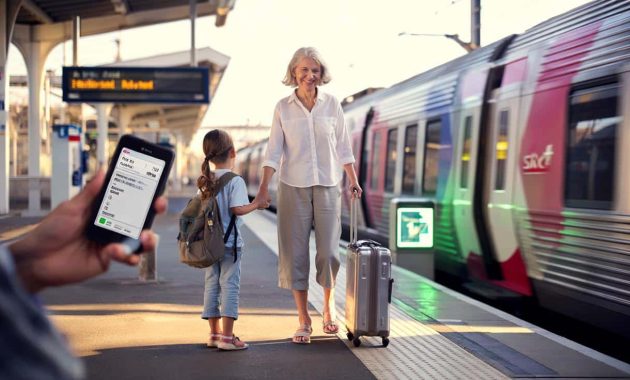
The card does more than support the holder. When children aged 4 to 11 travel with the senior, they can benefit from a 60% discount on their own tickets. That changes the equation for long weekends and school breaks. You keep the trip, and you keep the budget under control.
Kids aged 4–11 who travel with the cardholder can get 60% off their tickets, helping families meet more often without overspending.
What it costs, and how to pay less
The Carte Avantage Senior costs €49 per year. Most regular travelers earn that back quickly. Two or three return journeys often do the job, depending on routes and timing.
Use promos and loyalty points
SNCF runs seasonal promotions on the card price, especially around big travel moments. A quick check during school breaks or sales periods can shave euros off the fee. The Voyageur loyalty program also helps. Every trip earns points, and those points can bring the card price down, sometimes to zero when your balance grows.
➡️ The everyday behaviors that prevent full relaxation
➡️ Psychology explains that chronic tension in the body mirrors unresolved emotional arousal
➡️ This simple evening change helped me wake up without feeling drained
➡️ After hours of work in his field, he sees Jesus appear before him
➡️ I didn’t plan this recipe, but it turned into the most satisfying meal of the week
➡️ “I thought I knew every cocktail”: the pineapple–melon mix that stunned my guests
Check regional support
Several regions offer transport help for seniors that can cover part of the card or even the full fee. Conditions vary by area. A short call to a local transport office, or a browse on an official regional site, often uncovers a subsidy you didn’t expect.
How much could you save? A quick look
This simple illustration shows how a 30% reduction changes typical outlays. The prices below are examples to show the math; actual fares vary by date and service.
| Example route | Example fare (€) | 30% off (€) | You pay with card (€) |
|---|---|---|---|
| Paris–Lyon (one way) | 70 | 21 | 49 |
| Bordeaux–Toulouse (one way) | 45 | 13.50 | 31.50 |
| Lille–Marseille (one way) | 95 | 28.50 | 66.50 |
On three return trips built from these examples, savings would exceed the €49 annual fee by a comfortable margin.
Small habits that unlock bigger gains
- Map likely trips for the next 12 months and check if two or three return journeys will repay the €49 fee.
- Reserve when you can. You keep the 30% even at the last minute, but earlier bookings create better seat choices and more capped options.
- Travel in off‑peak windows when your schedule allows. Quieter trains often sit closer to their lower price bands.
- Stack savings: use seasonal promotions to buy or renew the card, and earn Voyageur points on every ride.
- Ask about regional help. Local schemes sometimes reimburse the card or add extra discounts for seniors.
Comfort matters too
Lower prices open the door, but comfort keeps people on board. With the card in hand, travelers often choose calmer carriages, preferred seating, or times that fit better with medication schedules and energy levels. Trips feel planned rather than endured. That ease encourages more frequent visits, more gallery afternoons, and more simple days out.
Why so many people still miss it
Big social benefits grab attention. Transport tools rarely do. Many over‑60s also assume trains always cost too much, or that loyalty programs feel fiddly. The sign‑up takes minutes. The math takes even less. When you price a couple of return journeys, the logic usually clicks.
Two or three planned return trips often repay the €49 fee, with every extra journey turning into clear savings.
A quick decision framework
Set a rough travel plan for the year. Add family visits, medical checkups in larger cities, and a few short breaks. Apply 30% to those fares. If the total saving beats €49, the card pays for itself. Add potential promos, loyalty points, and the 60% cut for kids traveling with you, and the balance tilts further.
Useful extras to widen your options
Combine the card with flexible planning. If you know you a have grandchild’s recital in spring and a friend’s birthday in autumn, lock seats early and use your card to pin prices down. Keep a simple spreadsheet or notebook to track actual savings. That record helps you decide on renewal in seconds.
Look beyond intercity travel. Many cities run senior bus or metro passes that sit alongside your rail savings. You may stitch together a low‑cost door‑to‑door plan: a capped long‑distance ticket plus a reduced urban pass when you arrive. This mix keeps costs steady and removes the worry that kills last‑minute plans.
If you rarely travel alone, build a family routine. Book your own ticket with the card, then add children aged 4 to 11 under the companion discount. Plan outings around school calendars and early afternoon slots. Those times often feel calmer, and they still carry the card’s reduction.