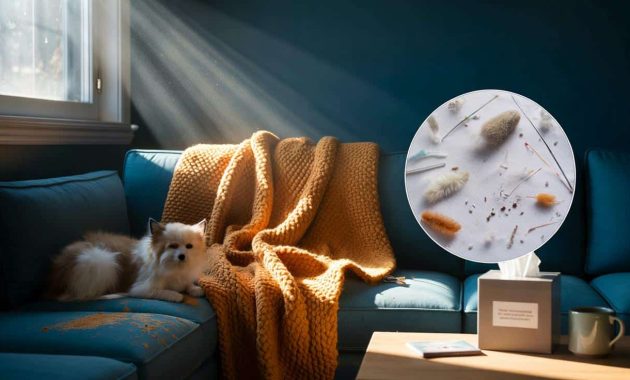
That cosy throw on the armrest feels harmless, yet it gathers skin flakes, oils, pet dander and dust at speed. Experts warn against regular use without washing, especially in winter when windows stay shut and humidity climbs.
Why your cosy throw can harbour more than warmth
Throw blankets pick up particles from skin, clothes and carpets. Fibres trap dust, pollen and smoke residue. Pet households add dander and saliva. Guests add microbes from public transport and offices. These loads stack up over days and then weeks.
Soft textiles retain moisture after spills and sweat. Moist fibres allow bacteria to multiply. Dust mites feed on shed skin in woven piles and loose knits. Sensitive people can face sneezing, wheezing, itchy eyes or eczema flare-ups after lounging under an unwashed throw.
Experts advise against using a throw for weeks on end without washing, particularly around children, people with asthma, or anyone with seasonal allergies.
Public health guidance notes that germs can persist on soft furnishings for hours to days, especially in cool, damp rooms. Cold and flu season raises the chance that a shared blanket becomes part of a transmission chain at home.
How often to wash a throw blanket in winter
Frequency depends on daily habits, the fabric, and who uses it. A display-only throw needs less care than the one everyone grabs for TV time.
- Daily-use family throw: wash every 7–14 days.
- Homes with pets or allergies: wash weekly.
- Guest-only or decorative throw: wash every 6–8 weeks.
- After illness, spills, or strong odours: wash immediately.
If a throw touches bare skin most evenings, treat it like a frequently worn garment, not like a curtain.
The right clean for the right fabric
Labels matter because fibre type sets your safe temperature and spin. A misstep can stretch knits, matte down plush piles, or felt wool. Follow care instructions closely and err on gentle methods when in doubt.
| Material | Best wash temperature | Method | Drying | Notes |
|---|---|---|---|---|
| Cotton | 40–60°C (colour-safe) | Machine, gentle detergent | Air dry or low tumble | 60°C helps reduce mites if colourfast. |
| Polyester / fleece | 30–40°C | Machine, delicate cycle | Air dry to keep softness | Avoid fabric softener if it flattens pile. |
| Wool / cashmere | Cold to 30°C | Hand wash or wool cycle | Flat dry on towel | Use wool wash; avoid wringing. |
| Blends with acrylic | 30–40°C | Machine, mild spin | Air dry | Check label for heat sensitivity. |
Simple steps that prevent damage
Shake the throw outdoors before washing to release dust. Pre-treat spills with a small amount of liquid detergent. Zip throws in a large mesh bag to limit stretching. Use a low-foam liquid to avoid residue. Rinse well to remove perfumes that can irritate skin. Dry fully before folding to avoid musty smells.
➡️ A nutritionist explains how fermented foods heal the gut-brain axis and calm emotional turbulence
➡️ Under €37 on Leroy Merlin, this compact electric chainsaw sneaks into every garden shed
➡️ A rare gene found in Sardinia could transform the global fight against malaria
➡️ How river otters’ terrible food hygiene benefits ecosystem health monitoring
Odours that linger after washing
Stale smells indicate trapped moisture, detergent build-up or bacteria inside fibres. Adjust the routine and add a few low-tech fixes.
- Add half a cup of bicarbonate of soda to boost odour removal.
- Use white vinegar in the rinse to cut residue and soften fibres.
- Dry outdoors when weather allows; sunlight helps reduce microbes.
- Space the throw on a rack for full airflow rather than crowding a radiator.
- Repeat a short wash with extra rinse if detergent scent still clings.
Smell after drying often means the throw never dried to the core; extend drying time and increase airflow.
When to retire or replace a throw
Frayed seams, pilling that sheds, or thinning patches trap more dust and clean less well. Stains that reappear after washing suggest oils have bonded with fibres. If a throw worsens allergy symptoms despite frequent washing, replace it with a tightly woven cotton or a low-pile fleece that releases debris more easily.
Quick safety checks for shared homes
Small habits that reduce risk
- Rotate two throws so one can rest and air between uses.
- Assign a pet throw, wash it weekly, and keep human throws off the floor.
- Store a clean throw in a breathable cotton bag, not plastic, to prevent damp.
- Open windows for short bursts to lower humidity that favours mites.
- Vacuum sofas and fabric arms weekly; throws sit on those surfaces.
Energy, cost and fabric care without compromise
Many UK machines run long low-temperature cycles that save energy but leave residues if loads run heavy. Use smaller loads for bulky throws. If allergies are a concern, choose a 60°C cotton cycle when the label allows it. For wool and delicates, pair cold washes with longer sunlight drying or a dehumidifier to complete the job.
Launderettes can handle oversized throws in large drums that rinse better. A single high-capacity wash often beats two small loads at home. Check that staff use a gentle detergent if you send items out.
What experts mean when they advise against it
The warning targets the habit of parking a throw on the sofa for months with no wash schedule. The risk rises in winter, in small flats, and in pet-friendly homes. People with asthma, hay fever or atopic skin see impacts first. Families share germs through high-touch textiles. A simple schedule and mindful drying remove that risk without losing comfort.
Seasonal storage that keeps problems away
Wash and fully dry throws before spring storage. Fold loosely, add a cedar block to deter moths, and store on a shelf with airflow. Vacuum bags trap damp if any moisture remains, so use them only when the item feels bone-dry. Label the date to prompt a quick refresh next autumn.
Extra context that helps you make choices
Two terms cause confusion. Low-pile describes short fibres that release dust readily in a wash. High-pile or shaggy throws feel plush yet hold on to dirt and scents. Allergy-prone households benefit from low-pile fabrics and tightly woven cotton covers. Pet owners find fleece easier to de-hair than knits with loops that catch claws.
A simple experiment can guide your routine. Place the throw in bright light and clap it once. Visible dust signals a wash is due. If your nose detects a faint damp smell after drying, increase spacing on the rack and extend drying by one hour. Small adjustments cut odours, reduce mites, and extend fabric life without constant laundering.