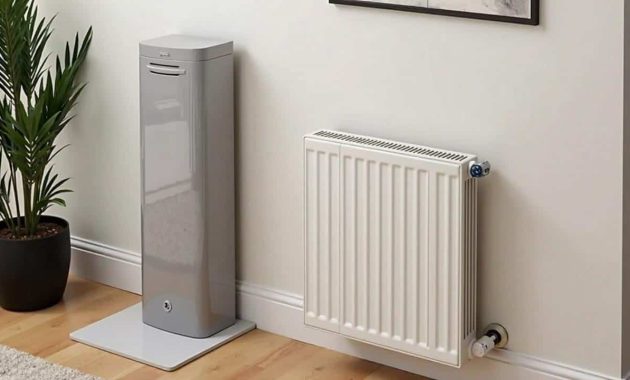
Homeowners need clear answers, not marketing talk, on heating that truly pays.
A new analysis from German researchers cuts through the noise with data across cost, carbon, and durability, not just lab claims.
A rigorous method that changes the picture
The research team modelled 13 heating systems in a typical two‑storey home. They assessed both money and emissions, across the whole lifecycle. That means installation, energy use, routine maintenance, and replacement all counted. They also factored in CO2 and raw materials use.
Crucially, they projected future energy prices and an evolving electricity mix. That step matters because cleaner grids boost electric heating. It also dampens risk from fossil price shocks. The approach combined life‑cycle assessment with net present value. This pairing pushes beyond upfront cost myths and end‑of‑year bill anecdotes.
What the team measured
- Upfront costs, including equipment and installation complexity
- Annual energy consumption based on real weather and building demand
- Planned maintenance and typical component lifetimes
- Operational emissions and embodied footprint of systems
- Sensitivity to energy-price swings and grid decarbonisation
They did not rank “cheap to buy” or “green on paper.” They ranked what actually wins across cost and carbon over time.
The standout pairing: air‑to‑water heat pump plus rooftop solar
The clear leader combined an air‑to‑water heat pump with photovoltaic panels. Against a modern gas boiler baseline, the heat pump plus solar cut lifecycle environmental impact by about 17 percent. It also lowered total costs by roughly 6 percent. The combination stayed ahead even in pessimistic scenarios for electricity prices.
The physics explains a lot. A heat pump moves heat rather than making it, so each unit of electricity delivers multiple units of heat. Rooftop solar trims grid consumption during daylight hours. Smart control can time water‑tank heating to midday sun and cheap tariffs.
Why this combo works now
Better compressors and low‑temperature radiators lifted real‑world efficiency. Falling solar costs and smarter inverters improved self‑consumption. Many grids also emit less CO2 per kWh than a decade ago. That trend raises the carbon advantage every year.
Air‑to‑water heat pump plus PV: lower bills across the lifecycle, and lower emissions, without exotic hardware.
Surprises in the rankings
Wood gasification boilers finished second on eco‑efficiency. They cut environmental impact by around 42 percent versus gas, but cost about 20 percent more over the lifecycle. Sustainable sourcing matters here. Forest management practices decide whether the gains hold.
Systems that sound very green sometimes underdelivered. Pellet boilers paired with solar thermal looked complex and expensive for the return. A heat pump with an ice‑storage accumulator also missed expectations on eco‑efficiency. Added components raised cost and embodied footprint. The performance benefits did not cover that extra weight.
Conventional gas boilers remained competitive on day‑to‑day running cost in some cases. Their problem is emissions. They produced the highest greenhouse gases across the options, even with a solar thermal assist.
High complexity often means higher cost and embodied impact. Simplicity with smart control scored better.
Fast comparison from the study
| System | Lifecycle cost vs gas | Environmental impact vs gas | Notes |
|---|---|---|---|
| Air‑to‑water heat pump + PV | About −6% | About −17% | Leads on eco‑efficiency; still ahead in tough scenarios |
| Wood gasification boiler | About +20% | About −42% | Strong if fuel is truly sustainable |
| Pellet boiler + solar thermal | Higher | Weaker | Complex system, returns did not offset cost |
| Gas boiler (reference) | Baseline | Highest | Cheap to run at times, heavy on emissions |
What this means for uk and us homes
Results vary with climate, electricity carbon, and tariffs. The UK grid now sits far cleaner than a decade ago, so heat pumps gain more every year. Time‑of‑use tariffs reward midday and overnight heating of hot‑water tanks. The US picture depends on state. Hydro‑ and wind‑rich regions give heat pumps an even stronger carbon edge. Coal‑heavy pockets blunt the emissions gap, but not the efficiency gain.
Policy support can tilt the maths. The UK Boiler Upgrade Scheme offers grants for heat pumps. The US Inflation Reduction Act adds tax credits and point‑of‑sale rebates in many states. Low‑interest green loans help spread upfront costs over system life. All three factors make lifecycle savings arrive sooner.
Practical fit matters more than brochure ratings
Old radiators set for high water temperatures can hold back efficiency. A heat‑loss survey exposes those limits. Modest upgrades, like larger radiators or a buffer tank, can unlock lower flow temperatures. Weather‑compensated controls raise seasonal performance. Good installers model seasonal performance, not just headline COP at 7°C.
- Size the heat pump to design‑day heat loss, not the old boiler rating
- Check electrical capacity and plan for a dedicated circuit
- Consider PV orientation and shading for better self‑consumption
- Add a hot‑water cylinder to shift load to cheap or sunny hours
- Think noise placement, condensate routing, and defrost strategy
When a different system can still win
Rural homes with affordable, sustainably sourced wood may justify a wood gasification boiler. Fuel storage, loading effort, and local air‑quality rules need attention. Urban flats with limited outdoor space may benefit from shared or hybrid systems. A small heat pump paired with an existing boiler can cover most days and let the boiler handle rare deep freezes.
Pellet systems suit owners who accept delivery logistics and hopper maintenance. The lifecycle numbers look tighter when pellets travel far or prices spike. Transparent sourcing and long‑term supply contracts reduce risk.
A quick way to test your numbers
Run a simple model before you commit. Use last year’s gas or oil consumption to estimate heat demand. Apply a realistic seasonal performance factor for your region, not a lab COP. Price electricity using your tariff’s peak and off‑peak rates. Add maintenance, filter changes, and expected lifespan. Include any grants or tax credits as negative costs in year one. That exercise often shows where the crossover happens.
Extra context you can use
Refrigerants affect footprint and future servicing. Look for low‑GWP options like R290, and check installer certification. Grid carbon keeps falling, so the emissions benefit grows every year of operation. Smart tariffs and home batteries can push costs down further by shifting load to low‑price windows. Basic fabric upgrades—loft insulation, draft sealing, TRVs—cut peak demand and let the heat pump run slower, quieter, and cheaper.
Plan for resilience. Keep a small electric heater for rare emergencies. Add leak detection on cylinders. Schedule annual checks before winter. A tidy condensate drain and clear airflow prevent most mid‑season breakdowns. These small steps protect savings and keep comfort steady when the cold bites.