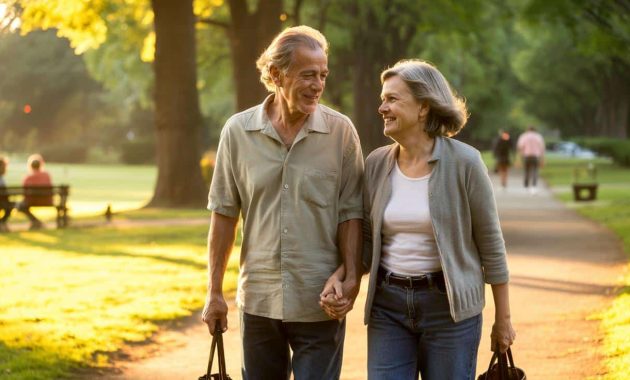
New research says this gap is no accident.
Scientists have followed thousands of lives to understand why certain older adults report deep, lasting happiness. Their results point to a factor that sounds almost boring at first glance, yet quietly shapes health, mood, and even how long people live.
The long search for real happiness
People chase happiness in many ways: career success, money, status, or the perfect body. Yet many reach midlife or retirement and feel strangely empty. The usual promises have not delivered.
Psychologists have known for years that close relationships matter more than material achievements. The famous Harvard Study of Adult Development, which has tracked participants for over eight decades, already showed that people who invest in their social ties tend to stay healthier and happier as they age.
Feeling genuinely connected to others beats income, fame and social class when it comes to long-term life satisfaction.
That same research also highlights another habit of fulfilled people: they notice and appreciate small, ordinary moments. A shared joke, a quiet cup of tea, a walk in the park. Joy, for them, is less a fireworks display and more a steady, warm light.
Where science says true happiness hides
A newer study, published in the European Journal of Population in May 2025, adds a sharp new insight. The team focused on people born between 1945 and 1957, often called baby boomers. They looked closely at their romantic lives and how those lives unfolded over decades.
The conclusion may surprise people raised on stories of passion, drama, and endless self-reinvention: happiness in later life is strongly linked to stability in intimate relationships.
Older adults in long-term, stable marriages report higher well-being than peers who experienced repeated break-ups, long-term instability or lifelong singlehood.
This does not mean every married person is happy, or that single people are doomed. The picture is more subtle. The research suggests that a life path marked by fewer disruptive transitions in love tends to leave people with more emotional reserves, stronger support, and better health in their sixties and seventies.
➡️ “I felt stuck between tasks,” until I tried this transition trick
➡️ Quick oil-based pear cake that stays moist for days with no mixer needed
➡️ This classic haircut is back, but with one modern detail that changes everything
➡️ This haircut gives men a cleaner profile without sharp lines
What “stability” really means
Stability here does not equal quiet resignation or staying in a harmful situation. The study describes life paths where partners remain together over the long term, with relatively few separations or major relationship upheavals.
By contrast, patterns marked by multiple divorces, repeated short relationships or long stretches of involuntary solitude were linked to more stress and lower well-being in older age.
The lead researcher, Miika Mäki, notes that life satisfaction in old age reflects a chain of experiences. Negative shocks in relationships can leave traces years after the actual breakup, even if a person remarries later.
Long-term emotional turbulence, not just a single difficult event, appears to drain mental and physical resources over the years.
How relationship history shapes health and mood
The study points to several recurring effects for people with unstable or repeatedly broken relationships:
- Higher levels of depressive symptoms
- Increased perceived stress and anxiety
- Weaker social and emotional support networks
- Greater risk of feeling lonely in old age
These factors feed into one another. Someone who has gone through several painful breakups may trust people less or withdraw socially. That withdrawal can shrink their circle of friends just when they need connection most.
On the other side, people in long-standing, reasonably harmonious relationships often benefit from shared routines, shared finances, and small, repeated gestures of care. They have someone to notice when their health changes, to encourage check-ups, or simply to bring a glass of water when they are unwell.
| Life pattern | Typical late-life outcome |
|---|---|
| Stable long-term marriage | Higher well-being, better self-rated health, stronger support |
| Multiple divorces or frequent breakups | More stress, higher depression, reduced social trust |
| Prolonged unwanted singlehood | Greater risk of loneliness, weaker emotional support |
Does that mean everyone must marry?
The findings do not say that a marriage certificate is a magic ticket to joy. What seems to matter most is enduring, reliable connection, not the legal status itself.
People can build a sense of stability in different ways: a committed partnership without marriage, deep friendships sustained over decades, or strong family bonds cultivated consciously. Still, romantic relationships tend to be a central pillar for many adults, which is why their history weighs heavily in the data.
Stable, caring bonds act like a long-term emotional pension, steadily paying out comfort, meaning and support in older age.
The researchers also caution against betting everything on another person. Personal resilience, physical health, and the ability to enjoy time alone all shape how people experience late life. A stable relationship helps, but it cannot solve every problem.
What mature happiness really looks like
The kind of happiness measured in these studies is not the ecstatic rush of a new romance or a lottery win. It is closer to what psychologists call “subjective well-being”: a general sense that life is good, meaningful, and manageable.
For many older adults with stable relationship histories, this happiness shows up in simple ways: less fear about the future, more gratitude for everyday routines, and a quiet sense of being “held” by their social ties.
Mature happiness usually includes some acceptance of loss. People in their seventies and eighties have seen friendships end, careers close, bodies weaken. Those who still feel broadly content tend to frame these changes as part of a life story that makes sense, rather than as random punishment.
Small, practical shifts that support stability
The research does not offer a quick fix, but it does point toward habits that, over years, can support a steadier emotional life:
- Prioritising communication in relationships instead of letting resentment build.
- Seeking help early for serious conflicts, instead of waiting until separation feels inevitable.
- Investing time in shared activities and rituals, even when schedules are busy.
- Maintaining friendships outside the couple, so support is not concentrated in a single bond.
- Taking physical and mental health seriously, since illness strains even strong partnerships.
Imagine two people entering midlife. One has been through several chaotic relationships, each ending abruptly, with little time to process. The other has stayed with the same partner through ups and downs, occasionally using counselling and leaning on friends. By the time both reach 70, their emotional landscapes are likely to feel very different, even if neither life was easy.
Some useful terms behind the science
Researchers often speak of “life-course trajectories”. This phrase simply refers to the pattern a person’s life follows over time, including changes in family status, work, and health. The new study treats relationship history as one of these major trajectories.
They also measure “subjective well-being”, which has two parts: emotional states (how often people feel joy, sadness, anxiety) and life evaluation (how they rate their life overall). A person might experience occasional sadness but still rate their life highly if they feel loved and purposeful.
Beyond romance: other sources of steady contentment
While the study focuses on marriage and partnerships, similar principles apply elsewhere. A stable job history, or at least a sense of control over career changes, can help reduce long-term stress. Regular involvement in community groups or religious organisations can create a strong network that mimics some benefits of a long marriage.
People who did not find a stable partner can still stack the odds in their favour by building consistent, mutual friendships, staying involved in shared projects, and creating routines they genuinely like. The key pattern the data keeps pointing to is simple: repeated rupture drains; steady connection nourishes.
Mature happiness rarely comes from one dramatic choice. It grows from years of ordinary loyalty, repaired conflicts and shared everyday life.