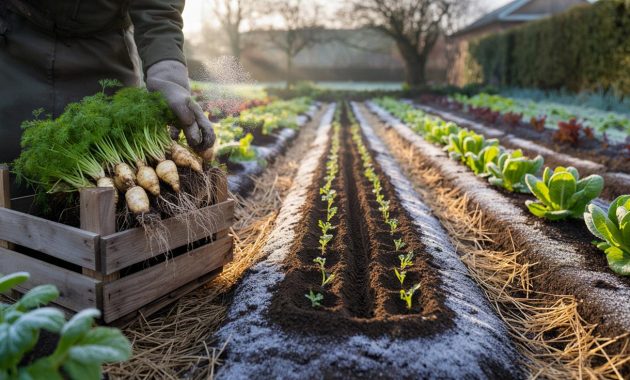
Garden beds look sleepy in November, yet this month suits a cold-loving crop that many growers overlook. Tuberous chervil (Chaerophyllum bulbosum) asks for a little space now, then pays you back with fragrant, ivory roots when spring returns.
A forgotten root that thrives in cold
This old-world vegetable fell out of fashion as potatoes and carrots took over. It never lost its charm. Its nutty sweetness sits somewhere between chestnut and new potato, with a whisper of parsnip. Chefs rave when they find it. Home gardeners can grow it with far less fuss than its reputation suggests.
Sow in November. Winter cold breaks dormancy, sets up slow, steady growth, and positions the crop for a late‑spring lift.
Unlike many roots, tuberous chervil wants a long, chilled run-up to germinate well. That makes it a perfect candidate for the off season. While beds rest, this crop holds the soil, feeds microbes with living roots, and turns a quiet plot into a productive one.
How to start it in November
Soil and site
Pick a sunny or lightly shaded bed with free-draining, moisture-retentive soil. Aim for a fine tilth. Heavy clay can distort roots, so lighten it with leaf mould or sharp sand. Keep fertility moderate. Too much nitrogen pushes leaf at the expense of bulbs.
Light soil, steady moisture and good drainage beat rich, soggy beds every time.
Simple sowing routine
- Sow fresh seed 1 cm deep in rows 15 cm apart. Label clearly.
- Cover with fine compost or sifted soil. Firm softly, then water to settle.
- Mulch with straw or leaves in colder regions to buffer hard frost.
- Keep the bed weed-free. Hand-weed early to protect slow seedlings.
Use fresh seed. Viability drops fast after a year, and weak seed means patchy stands.
Seeds bide their time through winter. Germination often shows in late winter or early spring when light returns. Patience pays. Resist overwatering in wet spells. Let rainfall do most of the work.
Cold stratification if you miss the window
If November slips by, mimic winter in the fridge. It boosts germination and keeps your calendar on track.
➡️ Why are non-electric pellet stoves winning over more and more households in France?
➡️ $9 billion, 730 missiles: the US–Saudi arms deal sparking fresh controversy
➡️ Snow for every corner of the UK? 2.8 inches an hour, 10 days out: will your street be hit
- Mix seed with damp sand in a food-safe bag. Label with date.
- Chill at 2–5°C for 4–6 weeks. Check weekly for early sprouts.
- Sow outdoors as soon as soil is workable. Do not let sprouted seed dry.
| Task | Cool maritime zones | Colder inland zones |
|---|---|---|
| Direct sowing | November to early December | Late October to November |
| Emergence | Late February to March | March to April |
| Thinning | March | April |
| Harvest window | May to June | June to early July |
Low maintenance, strong payoff
Tuberous chervil asks for little once established. Few pests bother it. Slugs sniff around seedlings but rarely mount an attack. Rodents show limited interest. Disease pressure stays low when beds drain well.
Keep soil moist, not sodden. Waterlogging triggers rot and ruins shape.
- Weed lightly and often. The fine taproot dislikes competition.
- Water only during dry spells. Winter rain usually suffices.
- Side-dress with a thin ring of compost in early spring to nudge bulbing.
- Hill soil gently if spring turns very wet. This keeps crowns dry.
This crop also plays nicely in mixed beds. Pair it between winter lettuces, spinach, and early brassica transplants. Its roots run narrow, so neighbors still have room. As spring warms, quick intercrops exit, leaving chervil to finish.
Harvest and kitchen uses
When and how to lift
Expect mature roots about six to eight months after sowing. Foliage starts to yellow as bulbs size up. Loosen the row with a fork, then lift by hand to avoid nicks. Shake off soil. Do not scrub yet.
Let roots dry on a rack in a cool shed for a few days. This resting phase improves texture. Store in breathable crates with slightly damp sand, or bag them in the fridge. They hold well for several weeks.
Bring out its flavor
The flavor shines with simple cooking. Steam or simmer until tender, then finish with fat, salt and a bright note. Roasting deepens the chestnut edge. Mashing milks the sweetness. It sits neatly beside poultry or mushrooms, and it anchors vegetarian plates with ease.
- Silky mash with celery root and a knob of butter
- Roasted wedges with thyme, garlic and lemon zest
- Spring pan-fry with baby carrots and peas
- Velvety soup with a pinch of nutmeg and white pepper
- Warm salad with herbs and toasted hazelnuts
Why it earns space in small gardens
November sowing turns dead time into production. Living roots keep soil biology active. Winter cover reduces nutrient leaching and caps weed pressure. The plant’s quiet growth frees space for quick greens above while it builds bulbs below.
One bed offers two wins: a living winter cover and a spring harvest with character.
It also supports diversity. Leave a plant or two to flower in year two, away from the main bed. Umbels pull in hoverflies and solitary bees. If you save seed, isolate from close relatives and use it the next season since viability fades fast.
- Good companions: spinach, winter lettuces, spring onions, early kohlrabi
- Avoid close follow-on with other Apiaceae to ease disease cycles
- Rotate beds yearly to keep soil life balanced
Extra tips, risks and workarounds
Label rows clearly. Seedlings resemble other parsley-family plants. Buy from reputable sources to avoid mix-ups. Do not forage lookalikes. In beds, identification stays simple with good labeling.
Container growth can work with deep pots of at least 30 cm. Use a gritty, compost-rich mix. Water evenly, drain fast, and keep pots sheltered from heavy winter rain. Yields stay modest in containers, but flavor still delights.
Want a head start on flavor? After harvest, chill roots for a week to push starches toward sugars. Chefs call that mellowing. The result tastes rounder and browns better in the pan.
Curious about scheduling alongside spring crops? Try a relay: sow tuberous chervil in November, tuck winter salad plugs between rows in January, then pull the salads in March as chervil bulks. That relay lands a salad run plus a late‑spring root crop from the same strip of soil.
Finally, consider the bigger picture. This crop extends the productive season, reduces bare soil, and asks for minimal inputs. It suits water-wise gardeners and busy growers who like reliable returns. Give it room this month, and the late‑spring lift will feel like a quiet triumph you earned back in the cold.