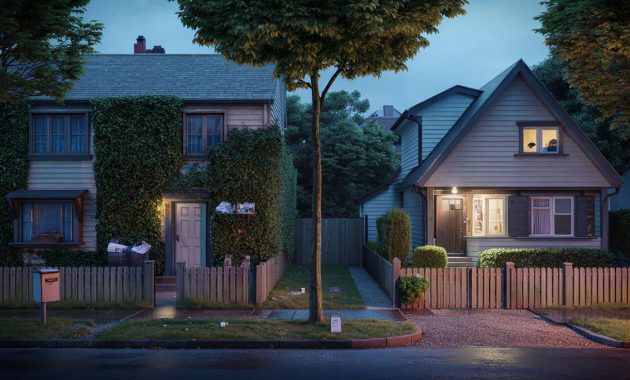
The model sat on a stand, two toy houses side by side, but the message landed fast. Design choices, small routines, and the view from the street can tilt risk in one direction. A Japanese security firm brought the old demo back to life. The scene felt quaint. The lessons did not.
What the 10-second model reveals
The display comes from Security House, a company that has worked with local police for public education. The setup is simple. On the left, a home wrapped in high walls and thick hedges. On the right, a home with open sightlines and modest fencing. Visitors step up, glance for a few seconds, and start spotting the difference.
The left house hides doors, blind corners, and shaded windows. A bulging mailbox sits by the gate. Laundry hangs too long on a line. The right house is easy to scan from the street. Paths are lit. The entrance looks exposed to neighbours. Small sensors dot the eaves.
Burglars read the street the way drivers read signs. Visibility puts the brakes on. Secrecy waves them through.
Security House says burglars scout first. They check how quickly they can reach a door. They look for cover. They want to avoid attention. If resistance rises, they give up fast. The firm showed the model at a Kyoto trade event, alongside new kit such as night‑vision cameras, phone‑linked apps, and facial recognition tools.
Why some homes attract burglars
Most break‑ins begin with a quick scan. Offenders prefer places that let them move without being seen. High walls feel secure from the inside. From the street, they hide intruders as well. Large hedges create deep shade at windows. Long, winding drives give time to work. Add noise insulation and you also muffle the sounds that might prompt a neighbour to look up.
Signals of absence help them plan a window of time. A stuffed letterbox hints at travel. A parcel left for days does the same. Laundry left out late into the night suggests a routine they can read. They also check side gates and alley access. A loose latch says quick entry. A dark back door says low risk.
- High or opaque boundary walls create blind spots.
- Dense hedges block the street’s view of doors and windows.
- Accumulated mail and parcels suggest nobody is home.
- Unlit paths and side passages offer hidden movement.
- Loose gates or broken latches invite testing.
- Predictable routines, like fixed times for lights, help timing.
What sends burglars away
Homes that feel watched tend to be skipped. Good sightlines from the pavement raise the risk of being noticed. A low, see‑through fence often beats a tall wall because it denies cover. Lighting tied to movement creates uncertainty. Simple alarms add noise. Signs that someone might look out or walk by change the cost of an attempt.
Technology plays a role, but it works best with design. Motion sensors support bright, sudden light. Basic cameras near doors pair well with a visible bell. Chimes or bark alerts work as well as high‑end gear. Small choices combine into friction, and friction is the point.
| Feature | Inviting to burglars | Off‑putting to burglars |
|---|---|---|
| Street view | High walls, heavy hedges, deep shadows | Open lines of sight, low fencing, clear fronts |
| Signals of absence | Full mailbox, parcels, lights off for days | Collected mail, timers with varied schedules |
| Approach routes | Unlit side paths, loose gates, blind corners | Motion lighting, tight latches, trimmed shrubs |
| Noise and attention | Quiet gravel-free paths, muffled doors | Crunchy ground, door chimes, audible alarms |
| Tech signals | No visible devices, hidden entries | Visible sensors, doorbell camera, alarm sticker |
Visibility beats gadgetry when budgets are tight. Tech works best as a layer on top of a clear view.
➡️ Innovation: a US warship destroys drones with a simple laser beam
➡️ Under Arctic ice, a hidden weapon against global warming awakens
➡️ Geologists are baffled: a river in the US flows ‘uphill,’ and they believe they’ve found the reason.
Old model, fresh lessons
The comparative model is almost two decades old. It was built for community sessions run with police. It spent years in storage. The firm brought it back. The basics have not changed. People and noise still spook intruders. They tend to operate at night or at quiet times of day. They often abandon an attempt if a door or window resists for long enough.
New tools sit around the model now. Phone alerts ping faster. Cameras see better in low light. Software can match faces. Yet the core advice remains stubbornly simple. Let the street see your doors. Cut back the shrubs. Make movement trigger light. Make noise travel.
Turn the model into action
Start with the view from outside. Walk across the road. Stare at your own facade for ten seconds. Ask what an intruder would like about it. Then tune one thing at a time.
Low-tech fixes that matter
- Prune hedges below window height to open sightlines.
- Swap tall, solid screens for lower, see‑through fencing where you can.
- Add a loud latch or chime to side gates and back doors.
- Lay crunchy gravel on hidden paths to amplify steps.
- Use varied light timers inside so patterns do not repeat.
- Fit window locks and reinforce strike plates on doors.
- Clear mail daily or ask a neighbour to help when you travel.
Smart tech, smarter habits
Install motion lighting that covers approach routes, not just the front step. Set alerts that tell you when gates open. Place a doorbell camera at eye level to capture faces. Add a small siren near a vulnerable door. Post a simple warning sticker. Then practice what backs it up. Lock the side gate every night. Check the sensors weekly. Vary your routines.
What burglars actually do
Most will check a property at least once before trying a break‑in. They may knock. They listen for TV noise and footsteps. They note barking that repeats with visitors. They prefer back entries and hidden windows. They dislike busy corners and open front gardens. They test a latch and move on if it resists. Time is risk. The model captured that reality in plastic and paint.
Extra context worth knowing
Designers call this idea defensible space. It blends architecture and social cues to give ordinary people natural oversight. The goal is not fortification. The goal is to make criminal movement feel exposed. Short fences, low planting, and active frontages do that job in a quiet, daily way.
Try a 10‑second home test this week. Stand across the street at dusk. Can you see the front door clearly? Are side paths lit? Would a neighbour notice someone at your window? Fix the first gap you spot. Then repeat after dark, in rain, and when away for a weekend. Each pass reveals a new edge to sand down. Small changes stack into real deterrence.